St. Petersburg Begins Pilot Project to Install Bike Lane Barriers
The city has started installing physical barriers in downtown and local bike lanes as part of a new initiative aimed at enhancing cyclist safety and infrastructure functionality.
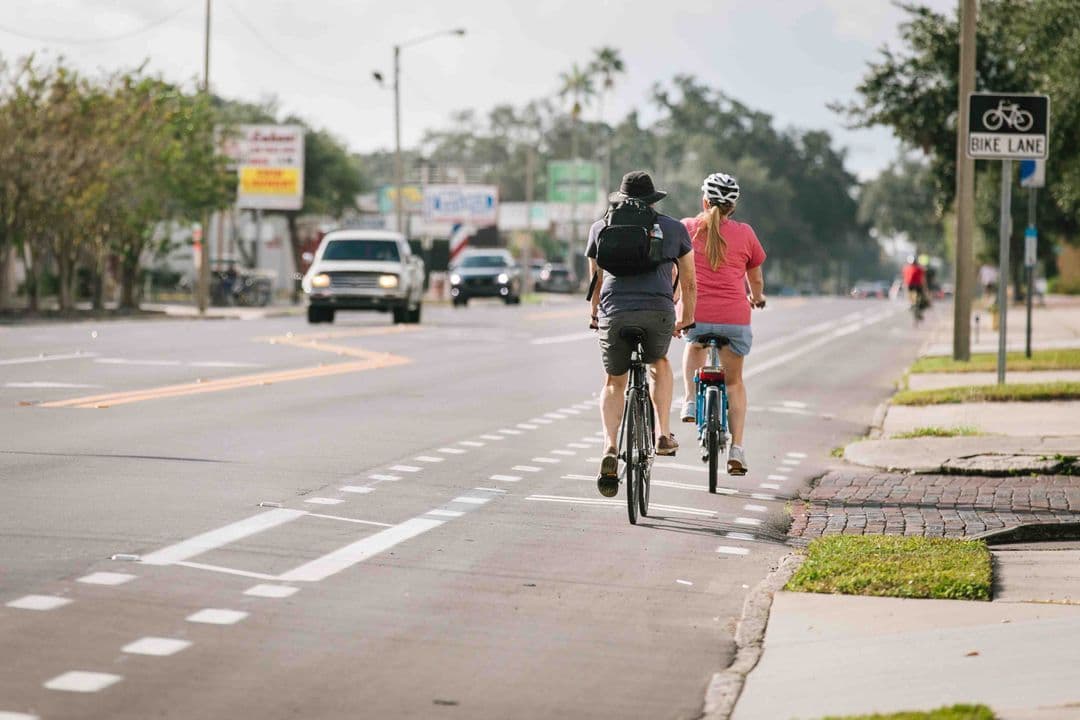
St. Petersburg has initiated a new pilot project involving the installation of physical barriers in its downtown and local bike lanes, according to city officials and reports from WTSP and Fox 13 News. The move marks a tangible step in the city's ongoing efforts to improve cycling safety and infrastructure.
The project, first reported by WTSP, involves testing these new barriers to evaluate their effectiveness. The city government's objective is to enhance the safety and functionality of the existing cycling network for residents and visitors alike.
This initiative follows a history of commitment from St. Petersburg to bolster its cycling infrastructure. City records indicate the adoption of a Complete Streets Implementation Plan in 2015 and an earlier Bicycle and Pedestrian Master Plan (CityTrails program) in 2003, aiming for a transportation network that accommodates all users. Despite these efforts, St. Petersburg has faced persistent challenges regarding cyclist safety, having been identified by the Wall Street Journal as one of the most dangerous cities in America for bicyclists in both 2018 and 2021.
Recent data underscores the urgency behind such protective measures. According to Pinellas County data, 2024 saw 805 bike crashes within the county, resulting in 639 non-fatal injuries and 13 fatal injuries for cyclists. City data also shows that St. Petersburg accounted for a disproportionate 8.6% of Florida's total bicycle fatalities in 2021, despite making up only 1.2% of the state's population.
The city currently maintains approximately 130 miles in its bike network and has ambitions to add 100 more miles over the next two decades. This pilot project aligns with a broader trend in urban planning focused on creating safer and more inviting environments for active transportation. Organizations like Connect Pinellas have also advocated for such infrastructure projects, expanding their mission in October 2025 to facilitate community-driven safety initiatives, including barrier installation.
The success of these physical barriers in preventing accidents and enhancing the overall cycling experience will be closely monitored, with the potential for wider implementation across St. Petersburg's street networks.
More from us

Waymo Prepares Driverless Robotaxi Launch in Tampa Amid Safety Debate
The Alphabet-owned company plans to roll out fully autonomous vehicles for employees first, following tests in the area since late 2025. The expansion has ignited discussions among officials regarding regulatory oversight and transparency.
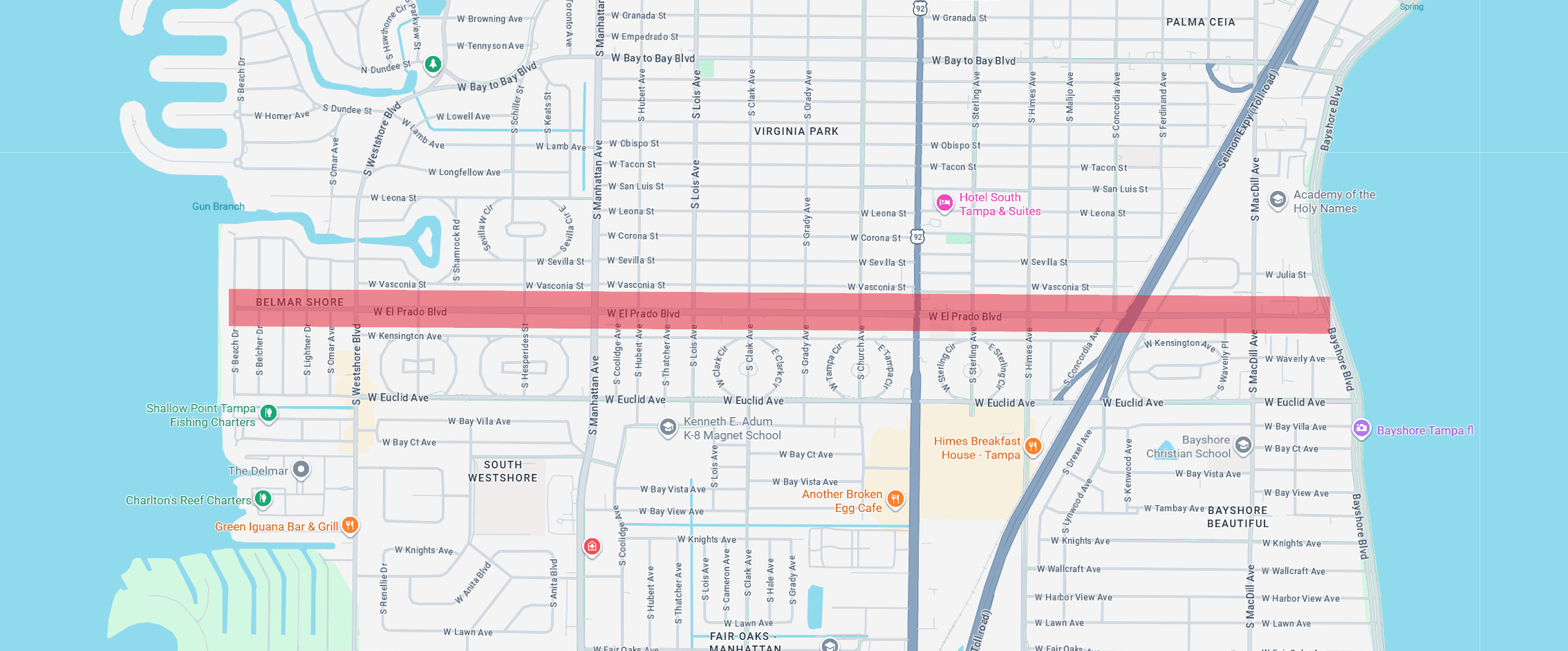
West El Prado Blvd Faces Daily Lane Closures for Water System Work
The Tampa Water Department will conduct maintenance on the local water distribution system, leading to daily lane closures on West El Prado Boulevard starting Thursday.

Welch Engages Rooted in Progress on Gas Plant District Redevelopment
St. Petersburg Mayor Ken Welch recently met with Rooted in Progress to discuss ongoing developments for the historic Gas Plant District redevelopment initiative.